Every reel gets a verdict before it really begins. Somewhere between the first frame and the third second, a viewer decides whether your video deserves their attention or their thumb. That is why we plan the opening of a video before we plan anything else.
Start with the frame, not the script
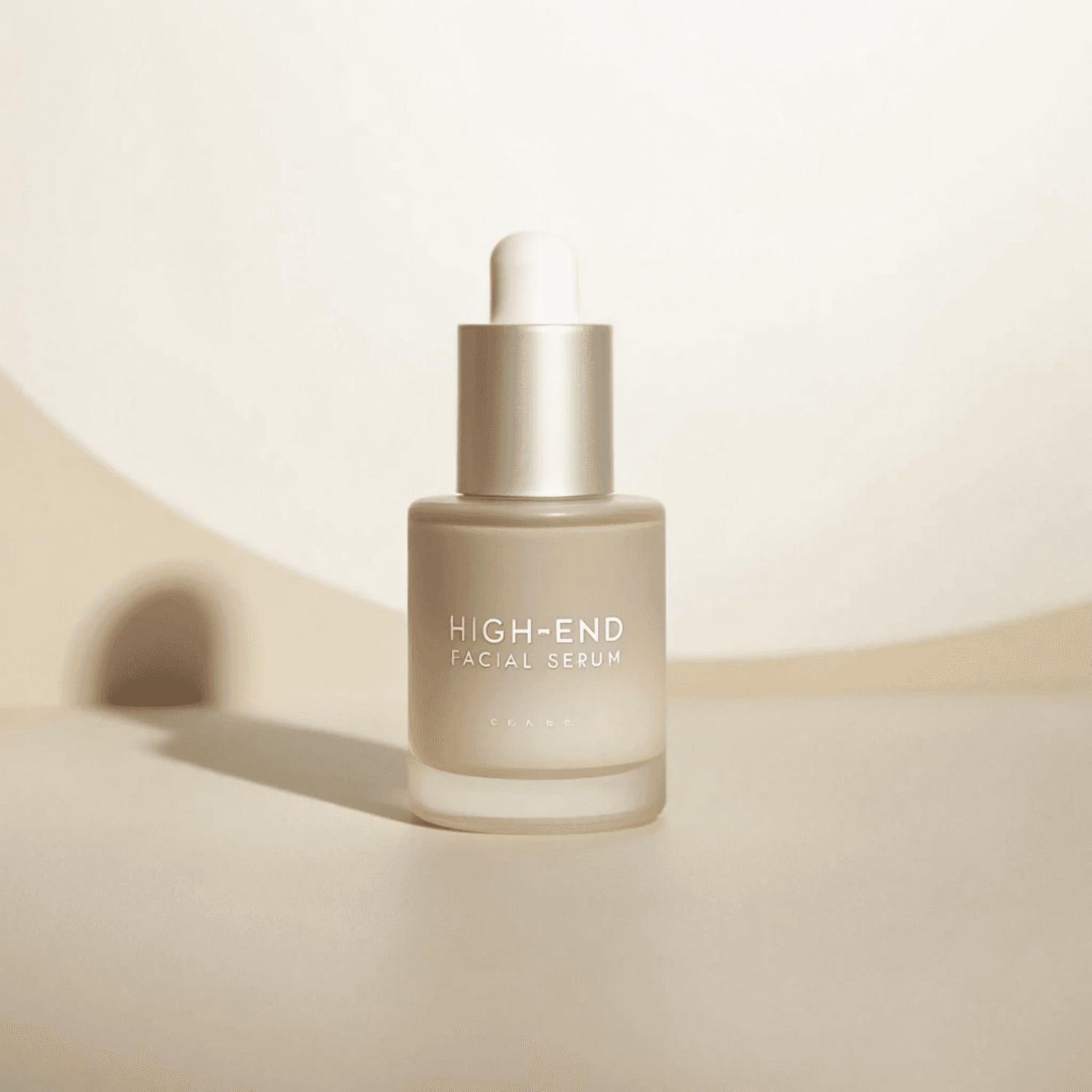
A strong hook is usually visual before it is verbal. Movement toward the camera, an unexpected texture, a product in a place it should not be, a face mid-reaction. We storyboard the first frame on its own and ask one question: would this stop me if I saw it with the sound off?
Plenty of people watch the first moments of a video on mute, so the opening has to work in silence. On-screen text supports the visual. It does not replace it.
If the first frame needs an explanation, it is not a hook yet.
Make a promise the video keeps
The best hooks create a small, specific question: how was that made, what happens next, is that really the result? The rest of the video then answers it. Openings that the content cannot back up teach the algorithm and your audience to stop trusting you.
We write three to five alternative openings for every hero video and test them as separate cuts. The body of the video stays the same and only the first seconds change. It is the cheapest creative test you can run, and often the most valuable.
Measure the drop, not just the views
Views tell you a video was served. Retention tells you it was watched. We look at where the audience falls away in the first three seconds and compare openings side by side. A hook that holds even a few more percent of viewers compounds across every post that follows.
Retention in the first three seconds is the closest thing social has to a headline click-through rate.
Design the opening first, give it a promise worth keeping and let the numbers tell you which version earned the watch. The rest of the reel will thank you.
ARQ ONE Studios / Journal
Start a project with us